Last updated: June 15, 2025
Most people think interior detailing is just vacuuming and wiping down surfaces. It's not. A real interior detail is a multi-step process that hits every surface, every crevice, and every material type differently.
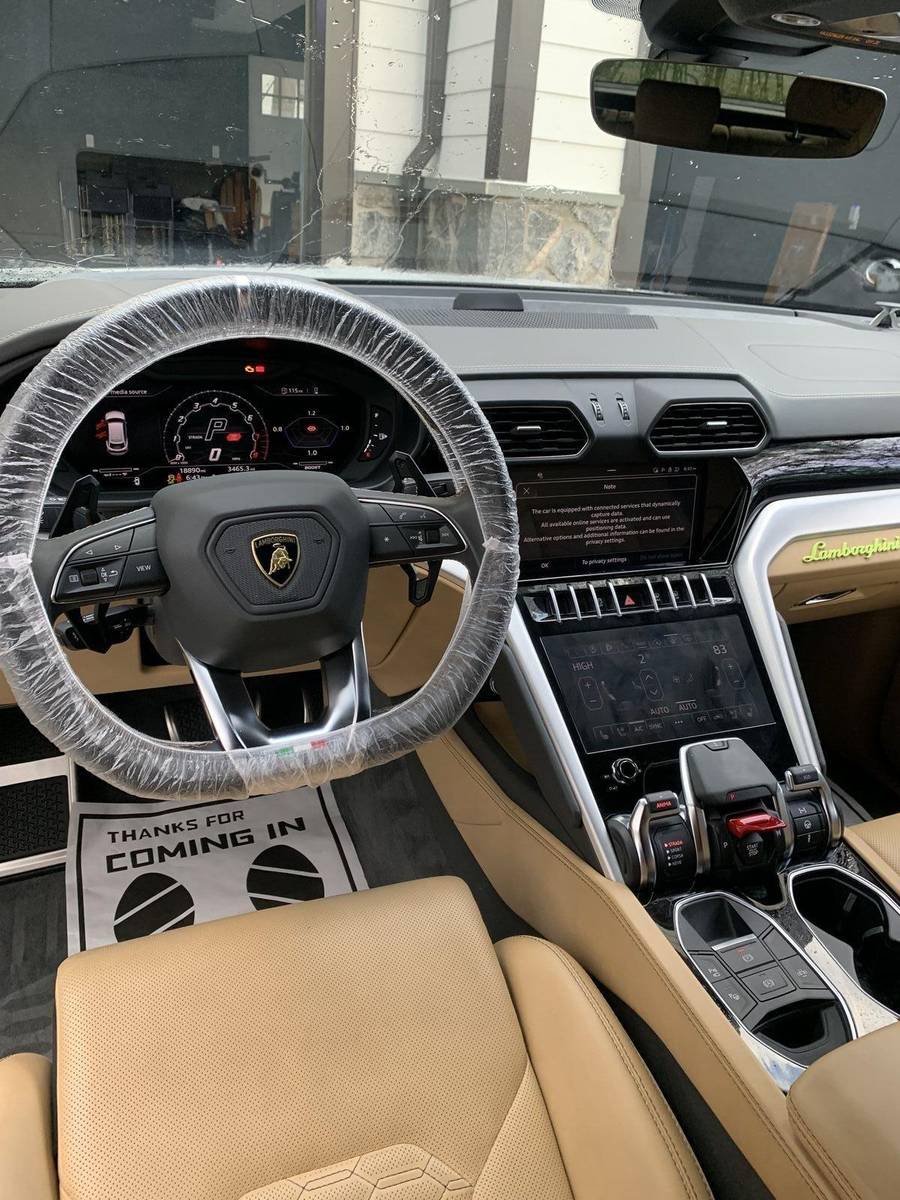
Seats pulled forward and back. Floor mats removed. Trunk cleared. Every pocket, cupholder, and seat track gets hit with a detail brush and vacuum. If the tech skips the seat rails, they're cutting corners.
Hot steam breaks down grime on hard surfaces without chemicals. Door jambs, vents, buttons, center console — steam gets into places sprays can't reach. This is what separates a $50 wash from a real detail.
Hot water extraction (shampooing) pulls embedded dirt, stains, and allergens from fabric seats and carpets. For leather, we use pH-balanced cleaners followed by conditioner to prevent cracking. NYC humidity is tough on leather — conditioning twice a year is the minimum.
Leather needs two things: a proper cleaning to remove body oils and contaminants, then a quality conditioner to restore moisture and prevent UV damage. Skip either one and you get cracking, fading, or that sticky film cheap products leave behind.
Interior glass gets streak-free treatment. All plastic trim gets dressed with a matte finish — not that greasy shine that attracts more dust. Door jambs cleaned. Air freshener applied if requested. Final inspection under LED light.
In NYC, every 3-4 months if you drive daily. Kids or pets? Every 2 months. Rideshare drivers should be on a monthly schedule — your rating depends on it.
A vacuum lifts loose debris from the surface of the pile. It does nothing about what has soaked into the backing — the spilled coffee that dried, the salt carried in on boots all winter, the residue from whatever was cleaned with a supermarket spray two years ago. That material is why a vacuumed carpet still smells and still looks grey.
Hot-water extraction injects solution into the fibre, agitates the soil into suspension and pulls it back out under vacuum. The water that comes out is a fair indication of what was in there. It is also the only process that genuinely resets a carpet rather than improving its appearance for a week.
The single most common way a well-intentioned interior clean goes wrong is leaving the fabric wet. A damp carpet in a closed cabin grows mildew within days, and the resulting smell is worse than the one you were trying to remove. This is the reason cheap interior jobs so often smell fine on collection and sour by the following week.
Extraction should pull the great majority of the moisture back out in the same pass, and air movement finishes the job before the car is closed up. If an interior is handed back damp under the mats or in the seat foam, the job is not finished, whatever it looks like.
Real leather is coated on almost every modern car, so cleaning it means cleaning the coating rather than feeding the hide. A pH-neutral cleaner, a soft brush on the grain, and a conditioner that adds UV protection is the whole process — and less conditioner than most people apply.
Leatherette is plastic and needs no conditioner at all; applying it just leaves a film that holds dust. Alcantara must never be conditioned or wiped wet — it is dry-brushed to lift the nap and cleaned with a dedicated product on the brush. Using a leather routine on Alcantara is what causes the permanently shiny steering wheel.
Do the headliner and upper trim before the seats, and the seats before the carpets, so nothing that falls lands on a finished surface. Do all dry work — debris removal, dry brushing, compressed air through the vents and seat rails — before any liquid goes into the cabin.
Glass goes last, after everything else has been cleaned and dressed, because dressing overspray on the inside of a windscreen is the most stubborn haze in a car and the one that shows up at night. Working out of order is why a thorough clean can still look unfinished.
Ready to protect your vehicle? Get a free quote or call us at (808) 556-7589.
Tell us about your vehicle and we'll send a firm price. No pressure, no estimate drift.
We'll reply with your fixed quote within the hour during business hours. For immediate help, call (808) 556-7589.